
Plant Care
Nematanthus (Goldfish Plant) Care Guide: Light, Water & The Trailing Tropical Bloomer
Nematanthus, commonly called Goldfish Plant, is the trailing tropical with thick glossy leaves and bright orange tubular flowers shaped like leaping goldfish. Native to Brazilian rainforests, it’s a closely related cousin to the Lipstick Plant and Hoya, with similar epiphytic habits and bright blooms. Easier than orchids, more reliable than Hoya, and one of the most cheerful blooming trailing plants you can grow.
Quick Care Card
☀️ Light
Bright indirect (some direct OK)
💧 Water
Top inch dry; consistent moisture
💨 Humidity
50%+ (60% ideal)
🌡️ Temp
65–80°F
🪴 Soil
Well-draining epiphytic mix
🐾 Cat/Dog Safe
✅ Safe for cats & dogs
🎯 Difficulty
🟢 Beginner
📏 Size
12–24 inches trailing
🌎 Zone
10–11 outdoors
🏞️ Origin
Brazilian rainforest
In this guide
About Nematanthus (Goldfish Plant)
Nematanthus is a genus of about 30 species native to Brazilian rainforests, where they grow as epiphytic vines on tree branches in the canopy. The most common houseplant species is N. gregarius (formerly Hypocyrta gregaria), the classic Goldfish Plant.
Popular cultivars: ‘Tropicana’ (orange-and-yellow striped flowers), ‘Variegated’ (cream-edged leaves), ‘Red Fish’ (deeper red flowers). Related species N. wettsteinii has slightly different flower form.
Nematanthus is in the Gesneriaceae family, the same family as African violets, Lipstick Plant, gloxinia, and streptocarpus. Care is essentially identical to Lipstick Plant: bright indirect light, moderate watering, 50%+ humidity, regular feeding during growing season. The orange goldfish-shaped flowers can bloom multiple times per year on mature plants.
Care Guide
Light
Bright indirect light.
- Best: bright indirect with 1–2 hours morning sun.
- Direct afternoon sun bleaches leaves.
- Low light prevents blooming.
Water
Top inch dry between waterings.
- Water when top inch of soil is dry.
- Every 7–10 days in summer, every 10–14 days in winter.
- Yellow leaves = overwatering. Wrinkled leaves = underwatered.
Humidity
50%+ ideal.
- Ideal: 50–60%.
- Tolerable: 40%.
- Pebble trays or humidifier in dry rooms.
Temperature
Warm tropical temperatures.
- Ideal: 65–80°F.
- Below 55°F damages leaves.
- Avoid drafts.
Soil
Well-draining epiphytic mix.
- Easy mix: 50% potting soil + 30% perlite + 20% orchid bark.
- Hanging baskets ideal.
- Repot every 2–3 years.
Pro tip: slightly pot-bound means more blooms
Like Lipstick Plant, Nematanthus blooms more reliably when slightly pot-bound. Don’t repot eagerly, and keep the plant in a moderate-sized pot for years. Combined with bright indirect light and monthly bloom-boost fertilizer, you’ll get multiple flushes of the cheerful orange goldfish flowers throughout the year.
Fertilizer
Moderate feeders.
- Bloom-boost fertilizer at half strength every 3–4 weeks during growing season.
- Skip fertilizing October–March.
Seasonal Care
🌱 Spring & Summer
- New leaves and stems develop
- Goldfish flowers appear in flushes spring through fall
- Water every 7–10 days
- Fertilize every 3–4 weeks
❄️ Fall & Winter
- Reduce watering
- Stop fertilizing
- Slight cool period (60–65°F) may help next bloom
Common Problems & Fixes
| Symptom | Likely Cause | Fix |
|---|---|---|
| No blooming | Insufficient light or wrong pot size | Brighter spot; keep slightly pot-bound |
| Yellow leaves | Overwatering | Reduce watering frequency |
| Wrinkled leaves | Underwatered | Water thoroughly |
| Buds dropping | Sudden environmental change | Stabilize location |
| Leggy growth | Insufficient light | Brighter spot; pinch tips |
| Bleached patches | Direct afternoon sun | Move from direct sun |
| Mealybugs | Pest issue | Wipe with alcohol; insecticidal soap |
| Spider mites | Low humidity | Rinse; raise humidity |
| Stems rotting | Overwatering | Cut healthy stems for cuttings |
Goldfish Plant is the cheerful trailing bloomer no one talks about. Easier than orchids, more reliable than Hoya, and the orange flowers look exactly like leaping goldfish.
Propagation
Stem cuttings (easiest)
Cut 4–6 inch stem with 3+ leaves and a node.
Strip lower leaves; dip in rooting hormone.
Insert in damp potting mix or water.
Roots form in 3–6 weeks.
Pot up multiple cuttings together for fuller plant.
Featured Nematanthus (Goldfish Plant) Species
| Species | Common Name | Notable Trait | Difficulty |
|---|---|---|---|
| Nematanthus gregarius | Goldfish Plant | Classic orange tubular flowers shaped like goldfish | 🟢 Beginner |
| N. gregarius ‘Tropicana’ | Tropicana Goldfish | Orange-and-yellow striped flowers | 🟢 Beginner |
| N. gregarius ‘Variegated’ | Variegated Goldfish Plant | Cream-edged leaves | 🟢 Beginner |
| N. gregarius ‘Red Fish’ | Red Fish Goldfish Plant | Deeper red flowers | 🟢 Beginner |
| N. wettsteinii | Wettstein’s Goldfish | Different flower form; related species | 🟡 Intermediate |
Shop Our Nematanthus (Goldfish Plant) Collection
Every Nematanthus (Goldfish Plant) we ship is greenhouse-grown, climate-acclimated, and packed with care for transit. Sold-out species? Use the Notify Me button on any product page and we’ll email you the moment it’s restocked.

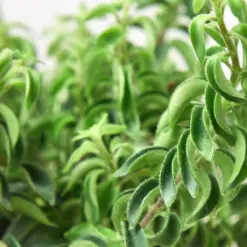
Curly Lipstick Plant
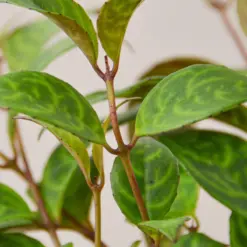
Price range: $25.99 through $74.99Lipstick Plant ‘Black Pagoda’
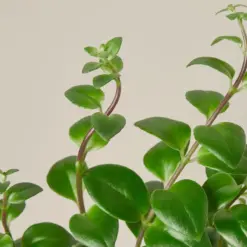
Price range: $25.99 through $50.99Lipstick Plant
Price range: $25.99 through $75.99
Frequently Asked Questions
Are Goldfish Plants safe for cats and dogs?
Yes. Nematanthus is non-toxic to cats and dogs per ASPCA listings.
Why won’t my Goldfish Plant bloom?
Usually insufficient light or oversized pot. Move to brighter indirect light; keep slightly pot-bound; feed with bloom-boost monthly. Mature plants in good conditions bloom multiple times per year.
What’s the difference between Goldfish Plant and Lipstick Plant?
Both are Gesneriaceae family epiphytes from tropical climates with similar care. Lipstick Plant (Aeschynanthus) has red tubular flowers emerging from dark calyxes. Goldfish Plant (Nematanthus) has orange tubular flowers shaped like leaping goldfish. Care is essentially identical.
How do I propagate Goldfish Plant?
Stem cuttings root easily. Cut 4–6 inch sections with 3+ leaves, dip in rooting hormone, then insert in damp soil or water. Roots form in 3–6 weeks. Multiple cuttings per pot creates a full plant quickly.
Why are the buds on my Goldfish Plant dropping?
Sudden environmental change. Move from cold drafts, avoid relocating during budding, maintain consistent watering. Once buds drop, the plant may take weeks to produce new ones.
Related Care Guides
