
Plant Care
Epiphyllum Care Guide: Light, Water & The Night-Blooming Jungle Cactus
Epiphyllum (also called Orchid Cactus or Night-Blooming Cereus) is the jungle cactus with the most dramatic flowers in horticulture. Massive, fragrant, multi-colored blooms that open at night and fade by morning, often the size of dinner plates. Unlike desert cacti, Epiphyllum is a tropical epiphyte (grows on trees) and needs more water, less direct sun, and slightly higher humidity. Care is closer to a Christmas cactus than a typical desert cactus.
Quick Care Card
☀️ Light
Bright indirect (filtered direct sun OK)
💧 Water
Top inch dry; consistent moisture
💨 Humidity
50%+ (60% ideal)
🌡️ Temp
60–80°F (cool winter helps blooming)
🪴 Soil
Loose epiphytic mix (orchid bark + perlite)
🐾 Cat/Dog Safe
✅ Safe for cats & dogs
🎯 Difficulty
🟡 Intermediate
📏 Size
12–36 inches trailing
🌎 Zone
10–11 outdoors
🏞️ Origin
Central & South American rainforests
In this guide
About Epiphyllum
Epiphyllum is a genus of about 20 species of epiphytic cacti native to the rainforests of Central and South America. Unlike desert cacti, they grow on tree branches in the canopy, with flat leaf-like stems (technically modified stems, not leaves) and aerial roots for moisture absorption.
Hundreds of hybrid cultivars exist in cultivation, bred for spectacular flowers in white, yellow, pink, red, orange, magenta, and bi-color combinations. The most famous is E. oxypetalum, the Queen of the Night, with massive white fragrant flowers that open at dusk and fade by sunrise. Other notable varieties: E. anguliger (Fishbone Cactus, with distinctively notched stems), E. crenatum, and dozens of hybrid orchid cacti.
Indoor blooming requires patience and proper care: mature plants (3–5+ years), bright indirect light, cool winter rest, and minimal repotting (epiphytic cacti bloom better when slightly pot-bound). Once they bloom, the show is unforgettable, and the night-blooming species have a strong jasmine-like fragrance.
Care Guide
Light
Bright indirect or filtered direct sun. Not full intense desert-cactus sun.
- Best: bright indirect light from an east or north window.
- Some morning direct sun is fine; afternoon direct sun bleaches stems.
- Outdoor summer in dappled shade is excellent.
- Low light prevents blooming.
Water
Consistent moderate watering. Not as drought-tolerant as desert cacti.
- Water when top inch of soil is dry.
- Water thoroughly; empty saucer.
- Every 5–7 days in summer, 7–14 days in winter.
- Winter rest (October–January): reduce watering to every 3–4 weeks to trigger spring blooming.
- Use filtered or rainwater.
Humidity
50%+ ideal.
- Ideal: 50–60%.
- Tolerable: 40–50%.
- Pebble trays or humidifier in dry rooms.
Temperature
Mild tropical with cool winter for blooming.
- Ideal: 60–80°F.
- Winter rest: 50–60°F nights for 6–8 weeks triggers blooming.
- Below 40°F damages plant.
- Avoid AC and heating vents.
Soil
Loose epiphytic mix.
- Best: 50% orchid bark + 30% perlite + 20% potting soil, which mimics tree-branch habitat.
- Avoid dense potting soil.
- Use hanging baskets for trailing display.
- Repot rarely, since pot-bound plants bloom better.
Pro tip: cool dry winter triggers spring blooms
Indoor Epiphyllum rarely blooms because it doesn’t get the cool dry winter rest it needs. From October through January: reduce watering to every 3–4 weeks (just enough to prevent shriveling), keep nights at 50–60°F if possible, stop fertilizing entirely. Then in February, resume normal watering and feeding. Flower buds form within 4–8 weeks and the dramatic blooms appear by spring. Without this rest cycle, plants rarely flower.
Fertilizer
Light feeders.
- Balanced or low-nitrogen fertilizer at half strength every 4–6 weeks April–September.
- Switch to bloom-boost (high phosphorus) in late summer before winter rest.
- Skip fertilizing October–March (winter rest).
- Brown stem tips after fertilizing = salt buildup. Flush soil.
Seasonal Care
🌱 Spring & Summer
- New flat stems emerge from existing stem edges
- Aerial roots may form on stem nodes
- Water every 5–7 days
- Fertilize every 4–6 weeks
- Best time to take cuttings
❄️ Fall & Winter
- Reduce watering to every 3–4 weeks
- Stop fertilizing entirely
- Move to cooler spot if possible (50–60°F nights)
- Don’t repot
- Flower buds form in late winter on rested plants
Common Problems & Fixes
| Symptom | Likely Cause | Fix |
|---|---|---|
| No flowering despite mature plant | No proper winter rest period | Provide cool dry winter rest October–January |
| Yellow / mushy stems | Overwatering | Reduce watering; check soil drainage |
| Wrinkled / shriveled stems | Underwatered | Water thoroughly |
| Brown spots on stems | Sun scorch or fungal issues | Move from direct afternoon sun; improve air circulation |
| Stems falling off | Root rot from severe overwatering | Cut healthy stems for cuttings |
| Mealybugs in stem joints | Common pest | Wipe with alcohol; insecticidal soap |
| Flower buds dropping before opening | Sudden environmental change | Stabilize location; avoid moving while in bud |
| Leggy growth | Insufficient light | Move to brighter indirect light |
| Slow growth | Light, water, or pot-bound condition issues | Adjust care; some slowness is normal |
Indoor Epiphyllum needs a cool dry winter to bloom, and the bloom is worth the wait. Dinner-plate-sized fragrant flowers, sometimes open for only a single night.
Propagation
Stem cuttings
Cut a 6–8 inch stem section in spring or summer.
Let cut end callus 5–7 days in dry shaded spot.
Insert cut end into damp epiphytic mix.
Don’t water for 2 weeks.
Roots form in 4–8 weeks.
New plants bloom in 2–4 years.
Featured Epiphyllum Species
| Species | Common Name | Notable Trait | Difficulty |
|---|---|---|---|
| Epiphyllum oxypetalum | Queen of the Night | Massive white fragrant night blooms; the famous one | 🟡 Intermediate |
| E. anguliger | Fishbone Cactus | Distinctively notched flat stems; white/pink flowers | 🟢 Beginner |
| E. crenatum | Crenate Orchid Cactus | Yellow-cream large flowers | 🟡 Intermediate |
| E. hookeri | Hooker’s Orchid Cactus | Long pendant stems; white flowers | 🟡 Intermediate |
| E. ackermannii | Red Orchid Cactus | Bright red flowers; popular hybrid parent | 🟡 Intermediate |
Shop Our Epiphyllum Collection
Every Epiphyllum we ship is greenhouse-grown, climate-acclimated, and packed with care for transit. Sold-out species? Use the Notify Me button on any product page and we’ll email you the moment it’s restocked.

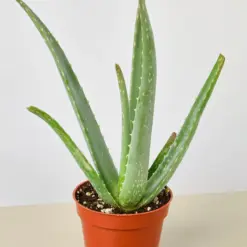
Aloe Vera Plant
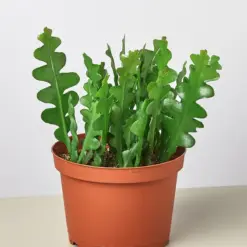
Price range: $22.99 through $39.99Epiphyllum ‘Ric Rac’ Cactus Plant
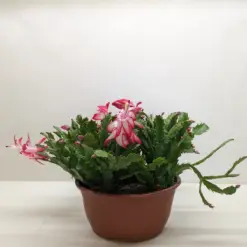
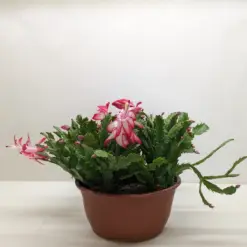
Price range: $27.99 through $59.99Christmas Cactus ‘White’ (Zygocactus)
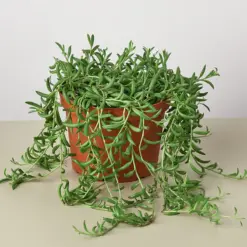
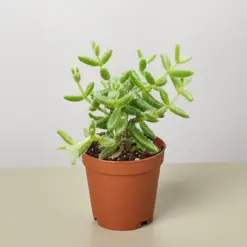
Price range: $27.99 through $84.99Succulent ‘String of Bananas’ Plant
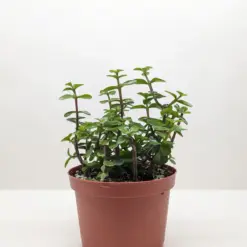
Price range: $25.99 through $50.99Succulent ‘Elephant Bush’
Price range: $22.99 through $158.99Christmas Cactus ‘Red’ (Zygocactus)
Price range: $27.99 through $84.99Delosperma Echinatum ‘Pickle Plant’
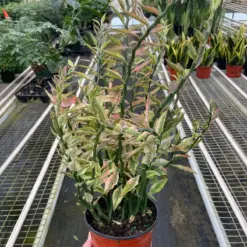
Price range: $22.99 through $43.99Euphorbia ‘Devil’s Backbone’ Variegated
Price range: $25.99 through $118.99Euphorbia Plant ‘Mint Cream’
Price range: $30.99 through $46.99Euphorbia Plant ‘Trigona Rubra’
Price range: $23.99 through $66.99Lithop Living Stone Plant
$18.99
Frequently Asked Questions
Are Epiphyllum plants safe for cats and dogs?
Yes. Epiphyllum species are non-toxic to cats and dogs per ASPCA listings. Pet-safe choice.
Why won’t my Epiphyllum bloom?
Almost always missing the winter rest period. Indoor Epiphyllum needs cool dry winter conditions (50–60°F nights, reduced watering) for 6–8 weeks to trigger spring blooming. Without this rest cycle, plants stay green and never flower. Also: plant must be 3–5+ years old, slightly pot-bound, and getting bright indirect light.
How long do Epiphyllum flowers last?
Often just 1 night, since the spectacular night-blooming species (like E. oxypetalum) open at dusk, peak overnight, and fade by morning. Other hybrid varieties may stay open for 1–3 days. Set up a vigil if your Queen of the Night blooms because it’s a one-night show.
Is Epiphyllum the same as Christmas Cactus?
Closely related but different genera. Epiphyllum has larger flowers, often night-blooming, broader flat stems, and is a spring/summer bloomer. Christmas Cactus (Schlumbergera) has smaller pink/red flowers, is day-blooming, has smaller segmented stems, and is a winter bloomer. Both are tropical jungle cacti with similar general care needs.
How do I propagate Epiphyllum?
Stem cuttings root readily. Cut a 6–8 inch section, let it callus for 5–7 days (critical to prevent rot), insert in damp epiphytic mix, and wait. Roots form in 4–8 weeks. New plants bloom in 2–4 years.
Can Epiphyllum live outdoors?
In USDA zones 10–11 (frost-free climates) yes, since they’re tropical epiphytes. In cold climates, bring indoors before fall. Many growers keep them outdoors in summer (in partial shade) and bring inside for winter. Outdoor summer significantly improves growth and bloom likelihood.
Related Care Guides
