
Plant Care
Poinsettia Care Guide: Holiday Bloom Care & Why Yours Won’t Rebloom
Poinsettia (Euphorbia pulcherrima) is the Christmas plant. Native to Mexico, bred for decades to produce massive red, white, pink, or marbled bracts (the colored leaves people mistake for flowers) that signal the holidays. Reality: they’re showy from November to February, then either die or become a plain green tropical shrub. Reblooming them next year requires strict day-length control, because they only color up when given 14+ hours of complete darkness daily for 8–10 weeks. Most people don’t bother. Here’s how to keep them gorgeous now, and how to rebloom them if you want the project.
Quick Care Card
☀️ Light
Bright indirect indoors; outdoor partial shade
💧 Water
Top inch dry; never soggy
💨 Humidity
40–60% (average home)
🌡️ Temp
60–70°F (cooler = longer bloom)
🪴 Soil
Well-draining standard mix
🐾 Cat/Dog Safe
❌ Mildly toxic (milky sap irritates)
🎯 Difficulty
🟡 Intermediate (challenging to rebloom)
📏 Size
12–48 inches indoors
🌎 Zone
9–11 outdoors
🏞️ Origin
Mexico
In this guide
About Poinsettia
Euphorbia pulcherrima is native to southern Mexico and Central America, where it grows as a shrub or small tree up to 10–15 feet tall. The colorful red "flowers" on holiday poinsettias are actually bracts, which are modified leaves that surround the small yellow true flowers (called cyathia) in the center. The bracts turn color in response to short days (long nights).
Poinsettia got its English name from Joel Roberts Poinsett, the first US Minister to Mexico, who sent specimens back to South Carolina in 1825. The Ecke family of California built the modern poinsettia industry starting in the 1900s, breeding hundreds of cultivars in red, white, pink, marbled, ruffled, and miniature forms. Today’s poinsettias are dramatically different from the wild species: more compact, more colorful, and longer-blooming.
Poinsettia has a long reputation as a deadly toxic plant that’s partially earned and mostly exaggerated. The milky white sap (latex) is irritating to skin and mildly toxic if ingested (vomiting, mild GI upset in pets) but not life-threatening. A 1996 study at Ohio State found a 50-lb child would need to eat over 500 leaves to reach a meaningful toxic dose. Keep out of reach of pets and kids who chew, but it’s not the lethal plant the reputation suggests.
Care Guide
Light
Bright indirect light during bloom. After the bloom fades, more direct light is fine.
- During bloom (December–February): bright indirect light within 3–5 feet of an east window or behind sheer curtains.
- After bloom (post-bloom care): bright direct or very bright indirect light. Poinsettia tolerates more sun once the bracts have dropped.
- Direct afternoon sun during bloom fades the colorful bracts.
- Low light reduces bloom duration and causes bract drop.
- To rebloom next holiday season: see Pro Tip, which requires strict day-length manipulation starting October.
Water
Top inch dry between waterings. Poinsettias rot fast in soggy soil.
- Water when the top inch of soil is dry. Stick your finger in, and if it’s dry to the first knuckle, water thoroughly.
- Water until water runs from the drainage holes, then immediately empty the saucer, since poinsettias rot fast in standing water.
- Most plants need water every 5–7 days during bloom; less frequently after.
- Critical: remove the decorative foil wrap around the pot before watering, because it traps water at the roots and causes rot. The foil is purely for retail display.
- Drooping leaves and bracts = thirsty (recoverable in hours). Yellow leaves with mushy stems = overwatering / root rot.
- Use room-temperature water.
Humidity
Average humidity is fine. Poinsettias aren’t fussy about ambient humidity.
- 40–60% humidity (typical home) is plenty.
- Below 30% (winter heating) bracts may lose vibrancy slightly.
- Pebble trays or a humidifier help in dry winter rooms.
- Skip misting, since water on the colorful bracts can encourage fungal spotting.
Temperature
Cool temperatures extend bloom life dramatically.
- During bloom: 60–70°F (15–21°C). Cooler = longer-lasting bracts.
- After bloom: 65–80°F is fine.
- Above 75°F during bloom causes bracts to fade and drop faster.
- Below 50°F damages all parts of the plant.
- Critical: avoid drafty windows, AC vents, and heating vents, because sudden temperature changes cause bract drop and leaf shedding.
Soil
Well-draining standard mix.
- Easy mix: 70% standard houseplant potting soil + 30% perlite.
- Better: 60% potting soil + 30% perlite + 10% orchid bark for drainage.
- Avoid: dense potting soil that holds water, peat-heavy mixes, pots without drainage.
- Critical: remove decorative foil sleeves around the pot. They trap water and cause root rot.
- Repot in spring after bract drop (if you’re keeping the plant long-term) into a slightly larger pot with fresh soil.
Pro tip: reblooming requires 14+ hours of total darkness for 8–10 weeks
Poinsettias are photoperiodic, meaning they only develop colored bracts when nights are long enough (14+ hours of complete darkness daily). To rebloom for next Christmas: starting around October 1, place the plant in complete darkness from 5 PM to 8 AM every night for 8–10 weeks (closet, cardboard box, or covered with a black bag). Any light at all during the dark period (including hallway light, streetlights, opening a closet door) breaks the cycle. During the day, give bright indirect light. By mid-December, the bracts color up and you’re ready for the holidays. Most people don’t bother, because buying a fresh poinsettia each November is cheaper and easier. But it’s a satisfying project if you commit.
Fertilizer
Skip fertilizer during bloom; feed during regrowth.
- During bloom (Nov–Feb): skip fertilizer entirely.
- After bloom (spring through summer): balanced liquid fertilizer at half strength every 3–4 weeks April–August.
- Pre-rebloom prep (September–October): bloom booster (high phosphorus) for 4–6 weeks if you’re attempting to rebloom.
- Brown leaf edges after fertilizing = salt buildup. Flush soil; reduce fertilizer.
Seasonal Care
🌱 Spring & Summer
- Spring/Summer: green growth; new leaves emerge; pinch growing tips to encourage bushy growth
- Water every 5–7 days when top inch is dry
- Fertilize every 3–4 weeks at half strength
- Repot in spring; outdoor summer break in partial shade is great
- Late August/early September: pinch back leggy stems for compact regrowth
❄️ Fall & Winter
- Plant continues growing through fall without dormancy
- October 1+: begin 14+ hour darkness cycle for reblooming
- November–December: bracts color up as nights remain long
- December–February: bloom phase with cool temperatures and bright indirect light
- Late February: bracts naturally fade and drop
Common Problems & Fixes
| Symptom | Likely Cause | Fix |
|---|---|---|
| Leaves and bracts dropping | Sudden temperature change, draft, or overwatering | Stabilize location; check for AC/heat vents; remove decorative foil; check soil drainage |
| Yellow leaves | Overwatering (most common, since foil sleeves trap water) or sudden temperature drop | Remove foil; reduce watering; check for drafts |
| Bracts fading or turning green | Normal end-of-bloom; high temperature; or too much fertilizer | Accept end-of-bloom; reduce temperature; skip fertilizer during bloom |
| Whole plant drooping | Thirsty or root rot from overwatering | Check soil; if dry, water thoroughly; if soggy, let dry and check roots |
| Tiny webs on leaves | Spider mites (low humidity) | Rinse under shower; raise humidity; insecticidal soap weekly until clear |
| White cottony spots on stems | Mealybugs (common poinsettia pest) | Wipe with isopropyl alcohol; insecticidal soap weekly until clear |
| Bract color won’t return next holiday | Insufficient short-day trigger; light pollution during darkness | Strict 14+ hour darkness cycle from October 1; no light leaks during dark period |
| Black spots on leaves | Bacterial leaf spot or fungal issues from water on leaves | Improve air circulation; water at soil only; remove affected leaves |
| Milky sap leaks from cut stem | Normal Euphorbia latex sap | Wear gloves when cutting; sap is irritating to skin and eyes; rinse promptly if contact |
Most poinsettias are bought, displayed for 6 weeks, then thrown out. That’s fine, because they’re seasonal decoration. Reblooming is a commitment most people don’t actually want.
Propagation
Stem cuttings (only practical method)
In spring or early summer after bract drop, when the plant is regrowing.
Wear gloves, since poinsettia sap is irritating.
Cut 3–4 inch stem sections with at least 3–4 leaves.
Allow the cut end to sit 10–15 minutes so the latex sap stops oozing, then rinse the cut surface.
Dip cut end in rooting hormone.
Insert into damp seedling mix or 50/50 perlite-peat. Keep evenly moist.
Cover loosely with a clear bag for humidity. Place in bright indirect light.
Roots form in 4–8 weeks.
New plants can be reblooming-ready in 1–2 years with proper care and darkness cycling.
Featured Poinsettia Species
| Species | Common Name | Notable Trait | Difficulty |
|---|---|---|---|
| E. pulcherrima (red, classic) | Red Poinsettia | The classic holiday red, and the most common form | 🟡 Intermediate |
| E. pulcherrima (white) | White Poinsettia | Pure white bracts; elegant alternative to red | 🟡 Intermediate |
| E. pulcherrima (pink) | Pink Poinsettia | Soft pink bracts; modern bred cultivar | 🟡 Intermediate |
| E. pulcherrima ‘Jingle Bells’ | Marbled Poinsettia | Red bracts with white speckles/markings | 🟡 Intermediate |
| E. pulcherrima ‘Winter Rose’ | Winter Rose Poinsettia | Bracts curled and ruffled like roses | 🟡 Intermediate |
| E. pulcherrima ‘Princettia’ | Princettia (compact) | Compact form with smaller leaves and bracts; modern miniature | 🟡 Intermediate |
Shop Our Poinsettia Collection
Every Poinsettia we ship is greenhouse-grown, climate-acclimated, and packed with care for transit. Sold-out species? Use the Notify Me button on any product page and we’ll email you the moment it’s restocked.

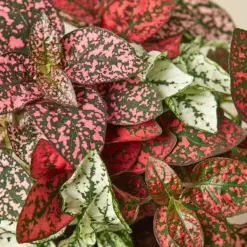
Hypoestes Plant ‘Polka Dot’
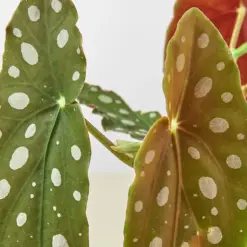
$22.99Begonia Plant ‘Maculata’
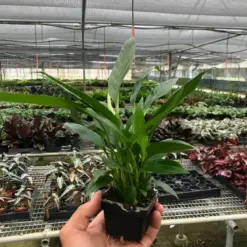
Price range: $36.99 through $68.99Peace Lily (Spathiphyllum)
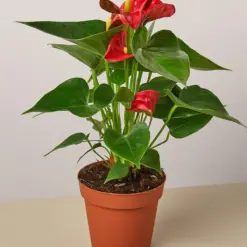
Price range: $22.99 through $54.99Anthurium Plant ‘Red’
Price range: $42.99 through $65.99Curly Lipstick Plant
Price range: $25.99 through $74.99Lipstick Plant ‘Black Pagoda’
Price range: $25.99 through $50.99African Violet – Pink
$23.99Anthurium Plant ‘Livium’
$41.99Anthurium Plant ‘Pink’
Price range: $44.99 through $53.99Anthurium Plant ‘Purple’
Price range: $44.99 through $68.99
Frequently Asked Questions
Are poinsettias really deadly to pets and kids?
No. The deadly reputation is largely exaggerated. Poinsettia sap (Euphorbia latex) is irritating to skin and mildly toxic if ingested, causing oral irritation, drooling, vomiting, and mild GI upset in pets that chew on leaves. Symptoms are unpleasant but rarely serious. A 1996 Ohio State study found a 50-lb child would need to eat over 500 leaves to reach a meaningful toxic dose. Keep out of reach of pets and kids who chew, but the "deadly poinsettia" lore from decades ago is mostly myth.
Why are my poinsettia’s leaves falling off?
Three usual causes: (1) overwatering, since the decorative foil sleeve around the pot traps water and causes root rot. Remove the foil immediately. (2) cold draft from AC vent or open door, since poinsettias are tropical and hate temperatures below 50°F. (3) sudden temperature change from cold transport home, where you give the plant 1–2 weeks to acclimate. Stabilize conditions and the plant typically holds its remaining leaves and bracts.
Can I get my poinsettia to rebloom next Christmas?
Yes, but it requires strict day-length control. Starting October 1, place the plant in complete darkness from 5 PM to 8 AM every single night for 8–10 weeks. Any light at all (closet light, hallway, streetlamp) breaks the cycle. During the day, bright indirect light. By mid-December the bracts color up. Cool temperatures (60–70°F) extend the bloom. Most people don’t bother, because buying a new poinsettia each November is cheaper and easier. Choose your level of commitment.
Why are my poinsettia’s bracts turning green?
Natural end-of-bloom. Poinsettia bracts last 4–8 weeks in good conditions, then fade from vibrant color to muted to green as the plant transitions out of bloom. This typically happens late February or early March. The plant isn’t dying; it’s becoming a regular green tropical shrub. You can keep it as a houseplant year-round or discard it and start fresh next holiday season.
How long do poinsettia flowers last?
The colored bracts (which look like flowers) last 4–8 weeks indoors with good care, which includes cooler temperatures (60–70°F), bright indirect light, no drafts, and consistent watering. Warmer rooms (75°F+) shorten bloom dramatically to 2–4 weeks. The actual tiny yellow flowers (cyathia) in the center of the bracts last only a few days; they’re not the showy part. Bracts naturally fade in February regardless of care.
Should I keep my poinsettia year-round?
Optional, and most people don’t. After the bracts fade in February, you can: (1) discard the plant and buy a new one next November (easiest); (2) keep as a green tropical shrub, which means cutting back to 4–6 inches, repotting, summering outdoors, and watering regularly. Fine year-round but not particularly attractive; (3) commit to reblooming, which the darkness cycling Pro Tip covers. The plant is genuinely beautiful in bloom and forgettable out of bloom; year-round keeping mostly makes sense if you enjoy plant projects.
Should I take off the foil wrapper around my poinsettia’s pot?
Yes, immediately. The decorative foil sleeve traps water at the roots and is the #1 cause of poinsettia death. After watering, water collects in the foil and the plant sits in a puddle, rotting roots within days. Either: (1) remove the foil entirely and use a regular saucer; (2) cut drainage holes in the bottom of the foil if you want to keep the decorative look. Either way, never let water sit in the foil. This single fix saves more poinsettias than any other care change.
Related Care Guides
- Hydrangea Care Guide (another seasonal bloom plant)
- Orchid Care Guide
- Cactus Care Guide (Christmas cactus is the other holiday bloomer)
- Peace Lily Care Guide
