
Plant Care
Gerbera Daisy Care Guide: Light, Water & Why Yours Should Move Outside
Gerbera daisies are the bright cheerful flowers everyone gives as gifts and almost nobody keeps alive long-term indoors. The reality: Gerbera is an outdoor perennial in mild climates and an annual in cold climates. Indoor reality: gorgeous for 4–8 weeks, then declines without sun. Treat your potted Gerbera as a long-lasting bouquet and either: (1) toss it after blooming, or (2) plant outside in spring for years of garden blooms. Don’t expect indoor longevity.
Quick Care Card
☀️ Light
Bright direct sun (6+ hours daily ideal)
💧 Water
Keep evenly moist; don’t soak crown
💨 Humidity
40–60% (average home)
🌡️ Temp
60–75°F (cooler = longer bloom)
🪴 Soil
Rich, well-draining mix
🐾 Cat/Dog Safe
✅ Safe for cats & dogs
🎯 Difficulty
🟡 Intermediate (genuinely a temporary houseplant)
📏 Size
12–18 inches tall
🌎 Zone
8–11 outdoors
🏞️ Origin
South Africa
In this guide
About Gerbera Daisy
Gerbera jamesonii is native to South Africa, named after 19th-century English physician Robert Jameson who collected specimens. Modern Gerberas are heavily bred, with hundreds of cultivars in red, yellow, orange, pink, white, and bi-colors, and with single, semi-double, or fully double blooms.
Gerberas are outdoor sun-loving perennials in their native South African climate and similar mild regions (USDA zones 8–11). The indoor potted Gerberas sold at florists and grocery stores are typically forced into bloom in greenhouses with intense supplemental light, which is impossible to replicate indoors. The plant inevitably declines after bringing it home.
Indoor lifespan honestly: 4–8 weeks of blooming, then gradual decline. Outdoor lifespan in proper climate: 3–5 years as a perennial with regular blooming. The honest advice: enjoy the bloom indoors as long as it lasts, then either compost or plant outside in spring.
Care Guide
Light
As much bright light as possible.
- Indoors: brightest available, ideally a direct south or west window.
- Outdoors: full sun (6+ hours).
- Insufficient light dramatically shortens bloom life.
Water
Keep evenly moist. Don’t get water on the crown.
- Water when top inch of soil is dry.
- Critical: water at soil level only, because water on the crown causes rot.
- Water thoroughly; empty saucer.
- Every 3–5 days during active blooming.
- Use room-temperature water.
Humidity
Average humidity is fine.
- 40–60% humidity is plenty.
- Skip misting (causes crown rot).
- Good air circulation prevents fungal issues.
Temperature
Cool temperatures extend bloom life.
- Indoor: 60–75°F.
- Cooler conditions extend flowers significantly.
- Above 80°F shortens bloom rapidly.
Soil
Rich, well-draining mix.
- Easy mix: 70% potting soil + 30% perlite.
- Use pot with drainage holes.
- Outdoor planting: rich amended garden soil.
Pro tip: these are gift bloomers, not houseplants
Indoor potted Gerberas are essentially long-lasting bouquets with roots. They look spectacular for 4–8 weeks, then decline regardless of care. Honest options: (1) compost after bloom; (2) plant outside in spring in zones 8–11, where they’ll re-bloom outdoors for years. Trying to keep them as long-term indoor plants typically fails. Enjoy the bloom, then move on.
Fertilizer
Light feeders during bloom and growth.
- Bloom-boost fertilizer (high phosphorus) every 2–3 weeks during blooming.
- Skip fertilizing on declining indoor plants, since it doesn’t help.
- Outdoor garden plants: balanced fertilizer monthly in growing season.
Seasonal Care
🌱 Spring & Summer
- Indoor: blooms last 4–8 weeks; remove spent flowers at base
- Outdoor: blooms repeatedly from spring through fall
- Water every 3–5 days
- Deadhead spent flowers
❄️ Fall & Winter
- Outdoor: plant goes dormant in winter (zones 8–9)
- Indoor: gradually declines after bloom, so replace next season
- Don’t fertilize during dormancy
Common Problems & Fixes
| Symptom | Likely Cause | Fix |
|---|---|---|
| Flowers fading quickly indoors | Insufficient light; normal indoor life cycle | Move to brightest spot; accept short indoor bloom life |
| Yellow leaves, mushy crown | Overwatering or water on crown | Water at soil only; reduce watering |
| Black spots on leaves | Fungal issues from wet leaves | Improve air circulation; water at soil only |
| Powdery white coating on leaves | Powdery mildew | Air circulation; neem oil; reduce humidity slightly |
| Wilting plant | Underwatered or root rot | Check soil; water if dry; check roots if soggy |
| Buds not opening | Sudden temperature change or insufficient light | Stabilize location; brighter spot |
| Whole plant declining 4–6 weeks after purchase | Normal indoor life cycle, since there isn’t enough light to sustain blooming | Plant outside in spring (in zones 8–11) or compost |
| Aphids on flower stems | Common pest | Spray with water; insecticidal soap |
| Slugs/snails outdoors | Common outdoor pest | Slug bait or copper barriers |
Indoor Gerbera is a bouquet that happens to come with roots. Enjoy the bloom; plant outside in spring if you have a garden; otherwise compost when it fades.
Propagation
Division (outdoor plants only)
On established outdoor perennials, in early spring before flowering.
Dig up entire plant.
Separate root system into 2–3 sections with healthy crowns.
Replant immediately in garden soil.
Water deeply for first month.
Seed (indoor or outdoor)
- Sow seeds in seedling mix, lightly covered.
- Bright light, 70–75°F.
- Germination 2–3 weeks.
- Seedlings bloom in 4–6 months from seed.
Featured Gerbera Daisy Species
| Species | Common Name | Notable Trait | Difficulty |
|---|---|---|---|
| Gerbera jamesonii (red) | Red Gerbera | Classic bright red blooms | 🟡 Intermediate |
| G. jamesonii (yellow) | Yellow Gerbera | Cheerful yellow blooms | 🟡 Intermediate |
| G. jamesonii (orange) | Orange Gerbera | Vibrant orange blooms | 🟡 Intermediate |
| G. jamesonii (pink) | Pink Gerbera | Soft pink blooms | 🟡 Intermediate |
| G. ‘Festival’ series | Festival Gerbera (mini) | Compact form with smaller blooms; good for containers | 🟡 Intermediate |
Shop Our Gerbera Daisy Collection
Every Gerbera Daisy we ship is greenhouse-grown, climate-acclimated, and packed with care for transit. Sold-out species? Use the Notify Me button on any product page and we’ll email you the moment it’s restocked.

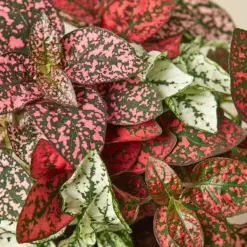
Hypoestes Plant ‘Polka Dot’
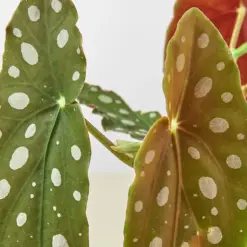
$22.99Begonia Plant ‘Maculata’
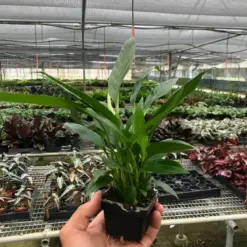
Price range: $36.99 through $68.99Peace Lily (Spathiphyllum)
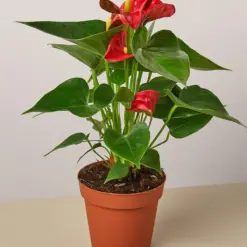
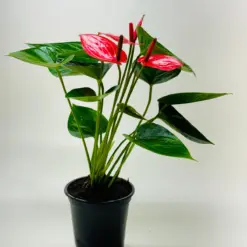
Price range: $22.99 through $54.99Anthurium Plant ‘Red’
Price range: $42.99 through $65.99Curly Lipstick Plant
Price range: $25.99 through $74.99Lipstick Plant ‘Black Pagoda’
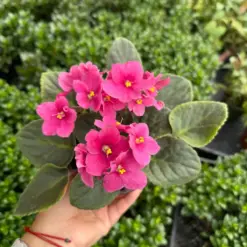
Price range: $25.99 through $50.99African Violet – Pink
$23.99Anthurium Plant ‘Livium’
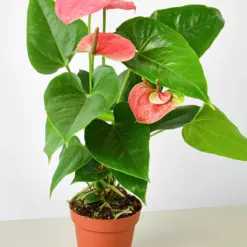
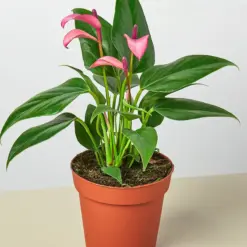
$41.99Anthurium Plant ‘Pink’
Price range: $44.99 through $53.99Anthurium Plant ‘Purple’
Price range: $44.99 through $68.99
Frequently Asked Questions
Are Gerbera daisies safe for cats and dogs?
Yes. Gerbera jamesonii is non-toxic to cats and dogs per ASPCA listings. Pet-safe choice.
Why does my Gerbera daisy keep dying indoors?
Indoor light is insufficient for Gerberas long-term. They’re outdoor sun-loving perennials that need 6+ hours of direct sun daily, which is impossible in most homes. The pot you bought is essentially a long-lasting bouquet, not a long-term houseplant. Enjoy the bloom, then plant outside (zones 8–11) or compost.
Can I plant my indoor Gerbera in the garden?
Yes, in USDA zones 8–11. After indoor blooms fade, harden off the plant outdoors over 1–2 weeks, then plant in a sunny garden spot with rich well-draining soil. It may not bloom the first year as it adjusts; subsequent years should bloom reliably.
Why won’t my outdoor Gerbera rebloom?
Common causes: (1) not enough sun, since it needs 6+ hours daily; (2) soggy soil, since Gerbera hates wet feet; ensure good drainage; (3) crown buried too deep; plant crown at or slightly above soil level; (4) no fertilizer; feed monthly during growing season.
How do I deadhead Gerbera flowers?
Cut spent flower stems at the base (where they emerge from the crown), not midway up. This encourages new flower production and prevents seed-setting from reducing vigor.
Related Care Guides
- Hydrangea Care Guide (another seasonal bloom that’s better outdoors long-term)
- Orchid Care Guide
- Poinsettia Care Guide
- Begonia Care Guide
