
Plant Care
Cactus Care Guide: Light, Water & The Indoor Cactus That Actually Thrives
Cacti are the gold standard for "forgetful plant parent" gifts — but most people kill them within a year. The reason is almost always one of two things: not enough light or too much water. Cacti are not all the same plant either: desert cacti (the spiny ones) want blazing direct sun and rare watering, while holiday cacti (Christmas, Thanksgiving, Easter) are jungle epiphytes that want indirect light and regular water. Mix them up and you’ll kill both.
Quick Care Card
☀️ Light
Bright direct (6+ hours for desert types)
💧 Water
Soil completely dry; drench then ignore
💨 Humidity
30%+ (dry air is fine)
🌡️ Temp
65–85°F (cool winter helps blooming)
🪴 Soil
Cactus / succulent mix (gritty, fast-draining)
🐾 Cat/Dog Safe
✅ Mostly safe (verify your specific cactus)
🎯 Difficulty
🟢 Beginner (with enough light)
📏 Size
2 inches – 6+ ft (varies wildly)
🌎 Zone
9–11 outdoors (most indoor cacti)
🏞️ Origin
Americas (deserts & rainforests)
In this guide
About Cactus
Cacti are a family (Cactaceae) of about 2,000 species, almost all native to the Americas. The houseplant trade splits them into two practical groups with very different care needs: desert cacti (most spiny round/columnar types — barrel cacti, ball cacti, golden barrel, prickly pear, San Pedro, mammillaria) and jungle cacti / holiday cacti (Christmas, Thanksgiving, and Easter cacti — Schlumbergera and Hatiora species).
Desert cacti evolved in arid regions of Mexico, the southwestern US, and South America. They want intense direct sunlight (6+ hours daily), bone-dry conditions between rare waterings, and very fast-draining gritty soil. Most indoor problems come from too little light (causes etiolation — stretched, pale, deformed growth) or too much water (causes root rot — soft squishy base).
Jungle cacti are tropical epiphytes that grow in tree canopies in cool humid forests of southeast Brazil. They want bright indirect light (not direct sun, which scorches them), more regular watering than desert cacti, and a slightly looser potting mix. They bloom in response to short days and cooler nights — which is why "Christmas cactus" reliably blooms around the holidays.
Care Guide
Light
Desert cacti want direct sun. Holiday cacti want bright indirect.
- Desert cacti: 6+ hours of direct sun daily. South or west-facing window with no obstructions. Without enough light they etiolate — grow stretched, pale, and weak.
- Holiday / jungle cacti: bright indirect light. Direct sun scorches their flat segmented stems. East-facing window or behind sheer curtains on a south/west window.
- Grow lights work great for desert cacti — a basic full-spectrum LED at 6–12 inches above the plants for 12 hours daily produces excellent growth and color.
- Outdoor summer break (porch or balcony) helps reset etiolated desert cacti — gradually acclimate to outdoor sun over 2–3 weeks to avoid scorch.
- Color check: healthy desert cacti often show pink, red, or purple tinges in strong light. Pure pale-green cacti usually need more light.
Water
Desert cacti want bone-dry between rare waterings. Holiday cacti want more regular but still moderate watering.
- Desert cacti: water only when the soil is completely bone dry — usually every 2–4 weeks in summer, every 6–8 weeks in winter. Soak thoroughly when you do water; let drain completely.
- Holiday cacti: water when the top inch of soil is dry — usually every 7–10 days in summer, every 10–14 days in winter. Don’t let them dry out completely like desert cacti.
- Use room-temperature water. Tap water is fine for most cacti.
- Critical winter rest for desert cacti: reduce watering dramatically (to nearly nothing — every 6–8 weeks) from late October to early March. Cool dry winter rest is what triggers spring blooming.
- Yellow soft base on desert cacti = overwatering / root rot (often terminal). Wrinkled cactus body = severely underwatered (recoverable).
- Empty saucers immediately — cacti rot fast in standing water.
Humidity
Cacti tolerate dry air. Don’t fuss.
- 30–50% humidity (typical home year-round) is fine for desert cacti.
- Holiday cacti tolerate slightly higher humidity (40–60%) and look more vibrant in it.
- Skip humidifiers — wasted effort.
- High humidity (70%+) can encourage fungal issues on desert cacti — they evolved in arid environments.
Temperature
Most cacti like warm summers and cool winters.
- Daytime: 70–85°F (21–29°C) for most species during growing season.
- Critical winter rest: 50–60°F nights for desert cacti from October through February. Cooler winter conditions trigger spring blooming.
- Below 40°F damages most desert cacti; below 50°F damages holiday cacti.
- Above 95°F in direct sun (rare windowsill problem) can cause heat scorch.
- Avoid AC vents in summer — sudden cold drops shock cacti.
Soil
Drainage is everything. Use a gritty cactus mix.
- Best: commercial cactus/succulent mix — fast-draining gritty composition.
- DIY desert mix: 40% potting soil + 30% coarse sand or pumice + 30% perlite or fine gravel.
- DIY holiday cactus mix: 50% potting soil + 30% perlite + 20% orchid bark — slightly more moisture-retentive than desert mix.
- Avoid: standard potting soil, peat-heavy mixes, anything that stays wet for more than 5–7 days.
- Pot: terra cotta is ideal — porous and wicks moisture. Always use drainage holes.
- Repot every 3–4 years (desert cacti grow slowly). Wear thick gloves when handling spiny species — newspaper wrap helps.
Pro tip — winter rest is what makes cacti bloom
Desert cacti rarely bloom indoors because they don’t get a proper winter rest. From late October to early March: stop fertilizing, water only every 6–8 weeks (just enough to prevent shriveling), keep nights at 50–60°F if possible, and reduce daytime sun slightly. Then in March, resume normal watering and feeding. Buds form within weeks and bloom by spring. The stress-then-recovery is what triggers flowering — pampered indoor cacti almost never bloom.
Fertilizer
Light feeders. Easy to over-fertilize.
- Desert cacti: diluted balanced or specific cactus fertilizer at quarter strength every 8–12 weeks April–September only.
- Holiday cacti: balanced liquid fertilizer at half strength every 4–6 weeks April–September; stop feeding 6 weeks before expected bloom (usually mid-October).
- Skip fertilizing all cacti October–March entirely.
- Brown spots after fertilizing = salt buildup. Flush soil with plain water; skip feeding for 6+ months.
Seasonal Care
🌱 Spring & Summer
- Most growth happens spring through fall on healthy plants
- Desert cacti may produce flowers spring or summer if winter rest was provided
- Water desert types every 2–4 weeks; holiday types every 7–10 days
- Fertilize during growing season per type
- Best time to repot, divide, or take cuttings
❄️ Fall & Winter
- Reduce desert cacti watering to nearly nothing — every 6–8 weeks
- Stop fertilizing entirely
- Move desert cacti to cooler bright spot (50–60°F if possible)
- Holiday cacti bloom Nov–Feb — keep watered normally during bloom
- After bloom, holiday cacti rest briefly — reduce water for 4–6 weeks
Common Problems & Fixes
| Symptom | Likely Cause | Fix |
|---|---|---|
| Stretched, pale, weak-looking cactus | Insufficient light (etiolation) | Move to brighter direct sun or add a grow light; etiolated growth doesn’t reverse |
| Yellow / brown / black soft spots at the base | Root rot from overwatering | Stop watering; unpot, cut rotted sections, let callus, replant in dry mix |
| Wrinkled, shriveled cactus body | Severely underwatered | Soak the entire pot in water for 30 minutes; cactus rehydrates within days |
| No flowers in years | No proper winter rest period | Provide cool dry winter rest October–February for desert cacti |
| White cottony spots in folds | Mealybugs (the most common cactus pest) | Wipe with isopropyl alcohol on a cotton swab; treat repeatedly until clear |
| Brown circular spots on cactus body | Sunburn (often after sudden move from indoor to outdoor sun) | Move to shade temporarily; affected areas don’t recover; acclimate gradually next time |
| Holiday cactus dropping segments | Sudden temperature change, drafts, or improper watering | Stabilize location; check soil moisture; some segment loss after blooming is normal |
| Holiday cactus not blooming | Insufficient short-day trigger or warm nights | Provide 12+ hours of darkness daily and 50–60°F nights for 4–6 weeks before expected bloom |
| Tiny webs on cactus body | Spider mites (rare on desert cacti) | Rinse under shower; insecticidal soap or neem oil weekly until clear |
If your cactus is stretched and pale, you don’t have a watering problem — you have a light problem. Move it to the sunniest window in the house or buy a grow light.
Propagation
Stem cuttings (most desert cacti and holiday cacti)
Wear thick gardening gloves and use sterilized sharp scissors or knife.
For columnar/spiny cacti: cut a 2–4 inch piece from the top of a stem at a slight angle.
For holiday cacti: twist or cut off a Y-shaped section with 3–5 segments at a natural joint.
Let the cut end callus over for 5–10 days in a dry shaded spot — this is critical to prevent rot.
Once the cut is dry and hard, insert the cutting into dry cactus mix just deep enough to support it (usually 1 inch).
Don’t water for the first 2 weeks. After 2 weeks, water lightly. Resume normal cactus watering at 4–6 weeks once roots have formed.
Place in bright indirect light away from direct sun while rooting; move to brighter light once established.
Offsets / pups (mammillaria, echinopsis, many round cacti)
- Many round/clumping cacti produce offsets at their base.
- Wait until the offset is at least 1 inch across.
- Wearing gloves, gently twist the offset off the parent — or cut with a sharp sterilized knife.
- Let the cut surface callus over for 5–7 days in a dry shaded spot.
- Pot the offset in dry cactus mix; don’t water for 2 weeks.
- Resume normal cactus care after 2 weeks. New offsets often appear at the base of the new plant within months.
Seed (slow but works for many species)
- Sow cactus seeds on top of damp seedling mix (cactus mix sieved to remove large chunks).
- Cover the container with a clear lid or plastic for humidity.
- Place in bright indirect light at 70–80°F.
- Tiny green spheres emerge in 2–8 weeks depending on species.
- Once seedlings are 1/4 inch across, gradually acclimate to drier conditions and brighter light.
- Patience required — most cacti take 2–4 years from seed to a sellable-size plant.
Featured Cactus Species
| Species | Common Name | Notable Trait | Difficulty |
|---|---|---|---|
| Echinocactus grusonii | Golden Barrel Cactus | Round green ball with yellow spines; iconic desert cactus | 🟢 Beginner |
| Mammillaria spp. | Pincushion Cactus | Small clustering globular cacti; profuse spring flowers | 🟢 Beginner |
| Schlumbergera bridgesii | Christmas Cactus | Flat segmented stems; pink/red blooms in late winter | 🟢 Beginner |
| Schlumbergera truncata | Thanksgiving Cactus | Like Christmas cactus but with toothed segments; blooms slightly earlier | 🟢 Beginner |
| Hatiora gaertneri | Easter Cactus | Spring-blooming jungle cactus with star-shaped flowers | 🟡 Intermediate |
| Opuntia microdasys | Bunny Ears Cactus | Flat oval pads with tiny golden bristles (glochids — irritating!) | 🟢 Beginner |
| Cereus peruvianus | Peruvian Apple Cactus | Tall columnar cactus; can reach 6+ ft indoors | 🟢 Beginner |
| Gymnocalycium mihanovichii ‘Hibotan’ | Moon Cactus | Bright red, yellow, or pink top grafted onto a green stem; needs grafting to survive long-term | 🟢 Beginner |
| Astrophytum asterias | Sand Dollar Cactus | Round flat star-shaped cactus with white flecks; slow-growing | 🟡 Intermediate |
Shop Our Cactus Collection
Every Cactus we ship is greenhouse-grown, climate-acclimated, and packed with care for transit. Sold-out species? Use the Notify Me button on any product page — we’ll email you the moment it’s restocked.

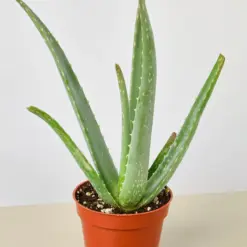
Aloe Vera Plant
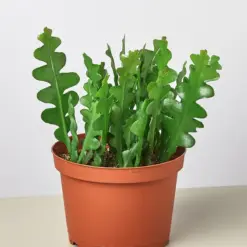
Price range: $22.99 through $39.99Epiphyllum ‘Ric Rac’ Cactus Plant
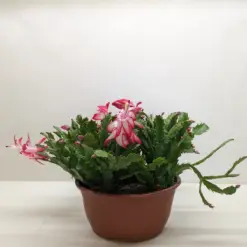
Price range: $27.99 through $59.99Christmas Cactus ‘White’ (Zygocactus)
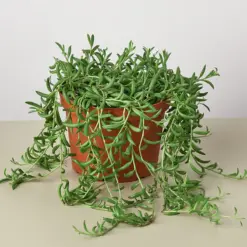
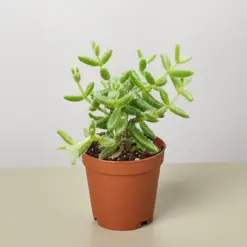
Price range: $27.99 through $84.99Succulent ‘String of Bananas’ Plant
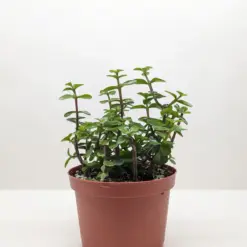
Price range: $25.99 through $50.99Succulent ‘Elephant Bush’
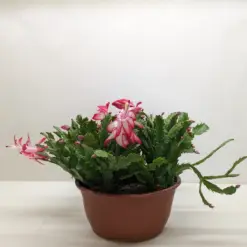
Price range: $22.99 through $158.99Christmas Cactus ‘Red’ (Zygocactus)
Price range: $27.99 through $84.99Delosperma Echinatum ‘Pickle Plant’
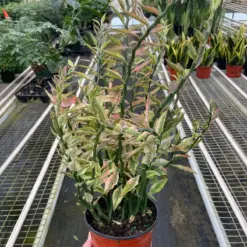
Price range: $22.99 through $43.99Euphorbia ‘Devil’s Backbone’ Variegated
Price range: $25.99 through $118.99Euphorbia Plant ‘Mint Cream’
Price range: $30.99 through $46.99Euphorbia Plant ‘Trigona Rubra’
Price range: $23.99 through $66.99Lithop Living Stone Plant
$18.99
Frequently Asked Questions
Are cacti safe for cats and dogs?
Most true cacti are non-toxic to pets per ASPCA listings — but the spines can cause physical injury (lodged in mouths, paws, eyes). The most popular indoor cacti (Christmas cactus, mammillaria, golden barrel, Schlumbergera) are non-toxic. Pets that brush against spiny species can sustain painful injuries. Place out of reach of curious pets, especially cats.
Why is my cactus turning yellow at the bottom?
Almost always overwatering and root rot. Cacti store water in their stem and rot from the bottom up when soil stays too wet. Stop watering immediately. Unpot the cactus, cut off any soft brown sections back to firm green tissue with a sterilized knife, let the cut callus 5–7 days, and replant in fresh dry cactus mix. Don’t water for at least 2 weeks. If rot has reached more than half the plant, save the healthy top as a cutting.
Why hasn’t my cactus bloomed?
Most likely no proper winter rest. Desert cacti bloom in response to a cool dry winter followed by warming spring conditions. Without that contrast, they rarely flower indoors. Provide a winter rest: October–February, reduce watering to almost nothing (every 6–8 weeks), keep nights at 50–60°F if possible, no fertilizer. Resume normal care in March; flower buds usually form within 4–8 weeks.
What’s the difference between a Christmas cactus and a Thanksgiving cactus?
Both are Schlumbergera, both bloom around the holidays, but: Thanksgiving cactus (S. truncata) has flat segments with sharp pointed teeth on the edges and blooms in November/December. Christmas cactus (S. bridgesii) has rounded segments with smooth scalloped edges and blooms in December/January. Most plants sold as "Christmas cactus" in stores are actually Thanksgiving cactus — care is identical for both.
Why is my cactus stretched and pale?
Insufficient light — called etiolation. Desert cacti need 6+ hours of direct sun daily. Indoors, this means a south or west-facing window with no obstructions, or a grow light. The stretched portion doesn’t reverse, but new growth from the top will be tight and properly colored once light is sufficient. You can also behead a leggy cactus (cut a few inches below the top) and propagate the cutting; the bottom usually regrows side branches.
Can I grow cacti from a cutting?
Yes — most cacti propagate easily from stem cuttings or offsets. Cut a section, let it callus (dry out at the cut) for 5–10 days in shade — this is critical to prevent rot — then plant in dry cactus mix. Don’t water for the first 2 weeks. Roots form within 4–6 weeks. Round/columnar cacti, holiday cacti, and prickly pears all root readily this way.
How often should I water my Christmas cactus?
Holiday cacti aren’t desert cacti — they want more regular watering. Water when the top inch of soil is dry, usually every 7–10 days during the growing season and every 10–14 days in winter. Don’t let them dry out completely or buds drop. They like a brief cooler/drier period (50–60°F, less water) in fall to trigger blooming, but otherwise treat them like a normal tropical houseplant, not a desert cactus.
Related Care Guides
